


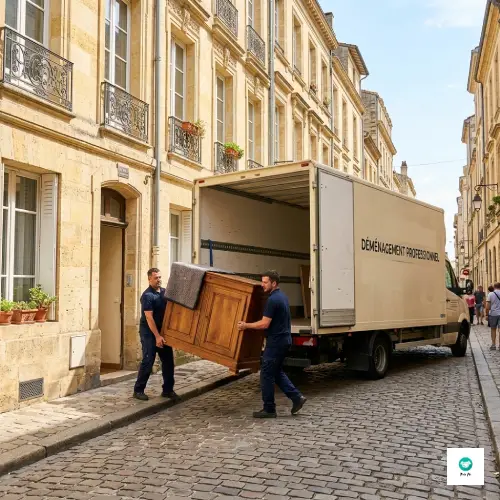


Moving in France can be an exciting new chapter — whether you’re relocating for work, family, retirement, or a lifestyle change. However, without proper planning, it can quickly become overwhelming. From administrative paperwork to packing logistics, every detail matters.
This comprehensive moving in France checklist will guide you step-by-step to ensure a smooth, organized, and stress-free relocation.
Why Planning Is Essential When Moving in France
France has specific administrative procedures, housing regulations, and service systems that can complicate your move if you’re not prepared. Whether you’re moving within Paris, relocating to the South of France, or transitioning between regions, proper organization is key.
Benefits of early planning:
Avoid last-minute stress
Reduce unexpected moving costs
Ensure utility continuity
Comply with French administrative requirements
Protect your belongings during transport
8 Weeks Before Moving: Start the Preparation



1. Choose a Reliable Moving Company in France
Selecting a professional and experienced moving company in France is crucial. Look for:
Licensed and insured movers
Transparent pricing
Experience with local or long-distance moves
Storage options if needed
Positive customer reviews
Professional movers can handle packing, furniture disassembly, transport, and even customs procedures if required.
2. Request Moving Quotes
Compare multiple quotes to understand pricing differences. Make sure the estimate includes:
Packing materials
Labor costs
Transport fees
Insurance coverage
Additional services (e.g., piano moving, fragile items)
6 Weeks Before Moving: Administrative Tasks
France is known for its paperwork. Don’t delay these steps.
3. Notify Key Institutions
Inform:
Your landlord (respect the legal notice period — usually 1 to 3 months)
CAF (Caisse d’Allocations Familiales)
CPAM (health insurance)
Tax office (impôts)
Employer
School administration (if applicable)
4. Update Your Address
Set up mail forwarding with La Poste to avoid missing important correspondence.
4 Weeks Before Moving: Utilities & Contracts



5. Transfer or Cancel Utility Services
Arrange disconnection and reconnection of:
Electricity (EDF or other providers)
Gas
Water
Internet & phone services
Home insurance
Schedule activation at your new address before arrival.
6. Home Insurance (Assurance Habitation)
Home insurance is mandatory in France for tenants. Make sure your policy is updated for your new property.
3 Weeks Before Moving: Declutter & Organize



Moving is the perfect opportunity to reduce clutter.
Sell unused furniture
Donate clothes and household items
Dispose of hazardous materials properly
Organize important documents
Less volume means lower moving costs.
2 Weeks Before Moving: Packing Strategy
7. Start Packing Non-Essentials
Pack:
Seasonal clothing
Books
Decorative items
Kitchenware not in daily use
Label boxes clearly by room and priority.
8. Prepare an Essentials Box
Include:
Important documents
Chargers
Toiletries
Basic kitchen items
Change of clothes
Medications
This will save you from searching through boxes on your first night.
1 Week Before Moving: Final Checks



9. Confirm Moving Details
Reconfirm with your moving company:
Date and time
Access details (elevator, parking permits, narrow streets)
Final inventory list
In cities like Paris, you may need a parking authorization for moving trucks.
10. Clean the Property
Conduct a thorough cleaning to ensure you receive your security deposit back.
Moving Day: Stay Organized
Be present during loading
Supervise fragile items
Check the inventory list
Keep valuables with you
Take photos of empty rooms
Once everything is unloaded, inspect for damages immediately.
After the Move: Settling In
11. Conduct the “État des Lieux”
This official property inspection is essential in France. Document any existing damage to protect your deposit.
12. Register Locally
If applicable:
Update vehicle registration
Register children in new schools
Locate nearby healthcare providers
Common Challenges When Moving in France
Understanding potential obstacles helps you prepare better.
Administrative Delays
French paperwork can take time. Start early.
Parking Restrictions
Urban centers require advance booking for truck access.
Language Barriers
If you’re an expat, professional movers familiar with international clients can simplify the process.
Professional Moving Services in France: Why It Matters
Hiring professional movers significantly reduces stress and risk.
Advantages include:
Secure packing techniques
Proper lifting equipment
Insurance protection
Time efficiency
Storage solutions
An experienced moving company ensures your belongings arrive safely and on schedule.
Final Moving Checklist Summary
✔ Choose a licensed moving company
✔ Notify landlord and institutions
✔ Transfer utilities
✔ Update insurance
✔ Declutter and organize
✔ Pack strategically
✔ Confirm logistics
✔ Complete property inspection
Make Your Move in France Simple and Stress-Free
Relocating doesn’t have to be overwhelming. With proper planning, professional assistance, and a structured checklist, moving in France can be a smooth and positive experience.
If you’re planning a move soon, partnering with a trusted professional moving company ensures efficiency, safety, and peace of mind from start to finish.
Frequently Asked Questions About Moving in France
1. What should be included in a moving checklist in France?
A complete moving checklist in France should include selecting a licensed moving company, giving proper notice to your landlord, transferring utilities (electricity, gas, water, internet), updating your address with French administrative offices, arranging home insurance (assurance habitation), organizing packing, and completing the official état des lieux property inspection.
2. How far in advance should I plan a move in France?
It is best to start planning your move at least 6 to 8 weeks in advance. This gives you enough time to compare moving companies, manage administrative paperwork, book parking permits if required, schedule utility transfers, and prepare your belongings without last-minute stress.
3. How do I transfer utilities when moving in France?
To transfer utilities in France, contact your electricity, gas, water, and internet providers to schedule disconnection at your current address and activation at your new home. It is recommended to arrange activation a few days before moving in to avoid service interruptions.
4. Is home insurance mandatory when moving in France?
Yes, home insurance (assurance habitation) is mandatory for tenants in France and highly recommended for homeowners. You must provide proof of insurance before receiving the keys to a rental property.
5. Why hire a professional moving company in France?
Hiring a professional moving company ensures your belongings are packed securely, transported safely, and insured against damage. Professional movers also handle logistics such as heavy lifting, storage solutions, and parking permits, making your move more efficient and stress-free.