


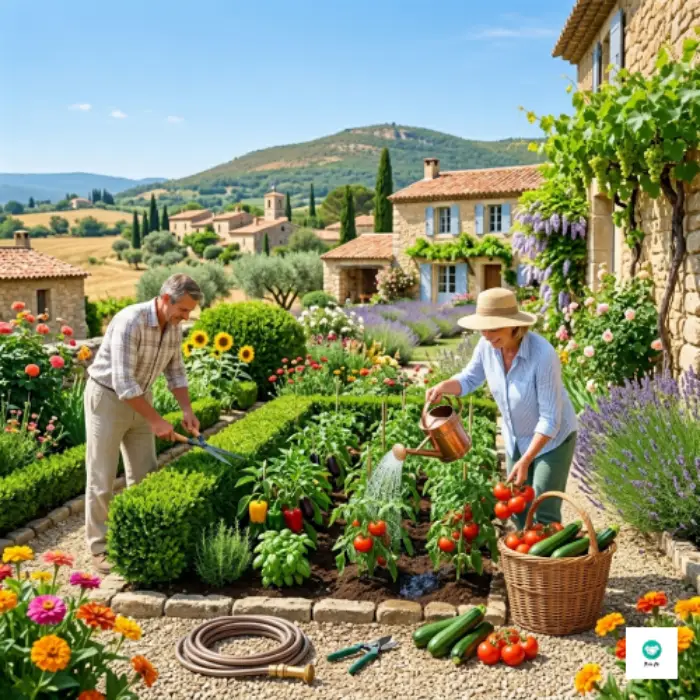
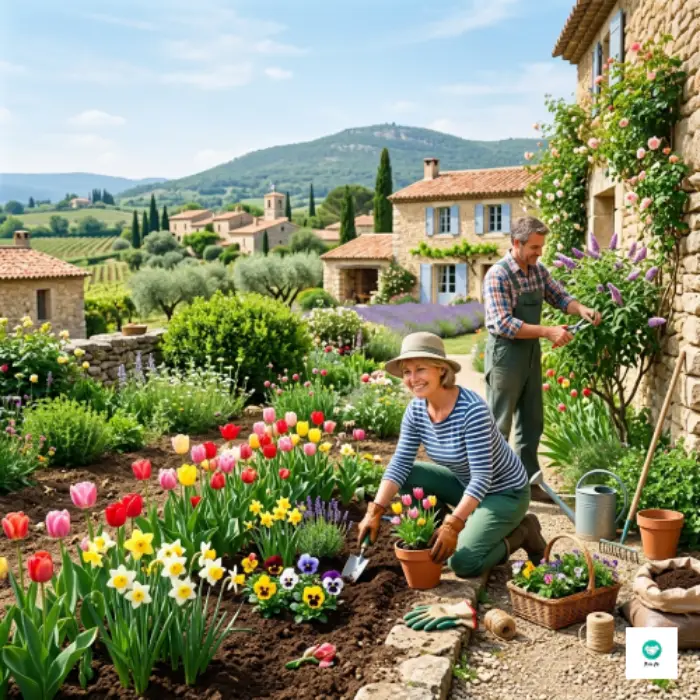
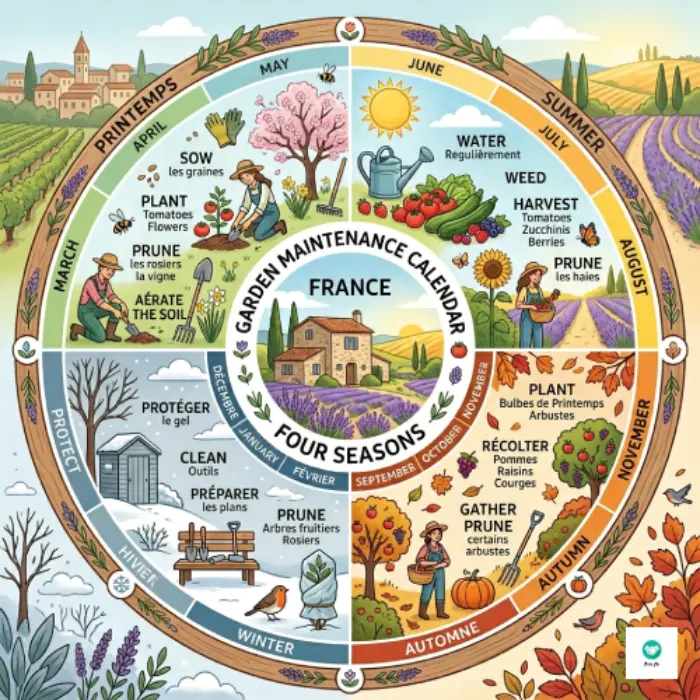
Keeping your garden healthy and beautiful throughout the year in France requires planning, consistency, and an understanding of seasonal changes. Whether you are a homeowner, landlord, or property manager, following a gardening maintenance calendar helps ensure your outdoor space stays vibrant and well-maintained.
In this complete guide, we break down month-by-month gardening tasks in France, helping you stay organized and maximize your garden’s potential.
Why Follow a Gardening Maintenance Calendar?
France experiences diverse climates—from oceanic in the west to continental and Mediterranean in the south—making seasonal gardening care essential. A structured calendar helps you:
- Maintain plant health year-round
- Prevent pests and diseases
- Improve soil quality
- Save time and reduce maintenance costs
- Enhance property value and curb appeal
January – Winter Protection and Planning
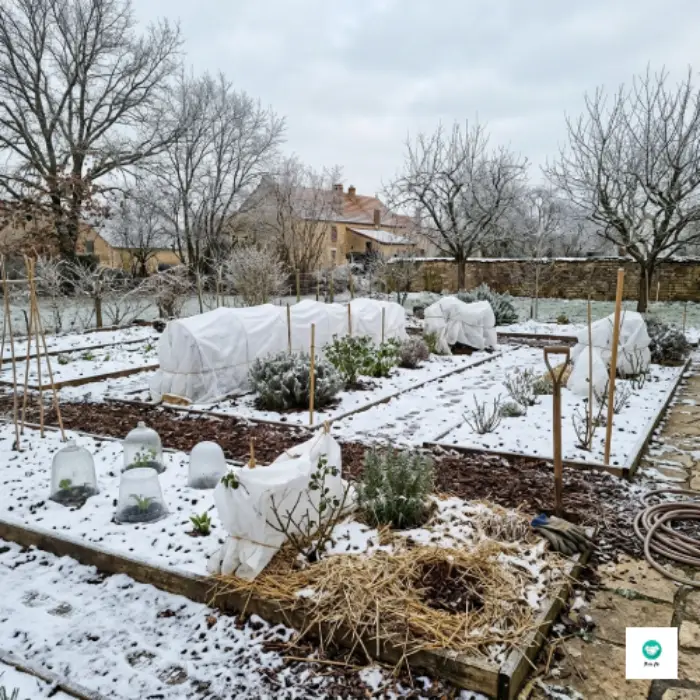

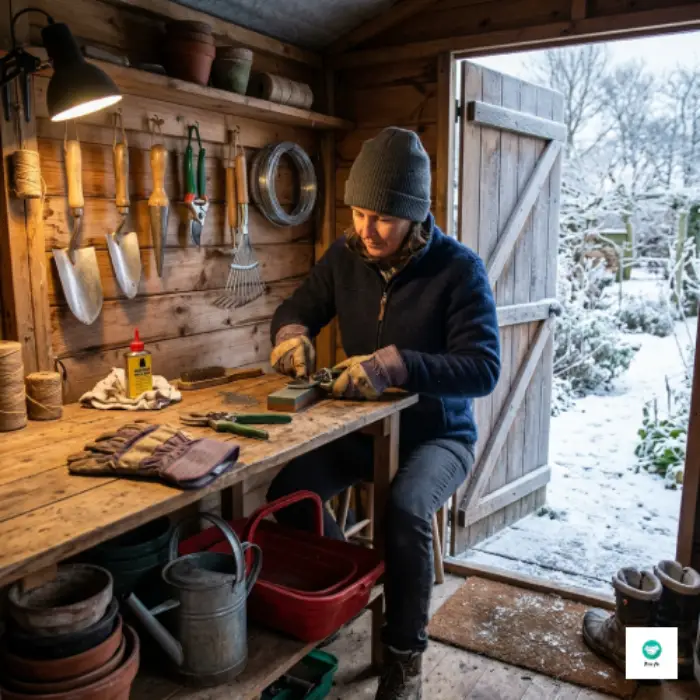
January is one of the coldest months in France. Gardening activity is minimal, but preparation is key.
Tasks:
- Protect plants from frost using covers or mulch
- Prune dormant trees and shrubs
- Clean and sharpen gardening tools
- Plan your garden layout for spring
February – Soil Preparation Begins
As winter slowly fades, it’s time to prepare your soil.
Tasks:
- Start composting kitchen and garden waste
- Prepare vegetable beds
- Sow seeds indoors (tomatoes, peppers)
- Continue pruning fruit trees
March – Early Spring Growth
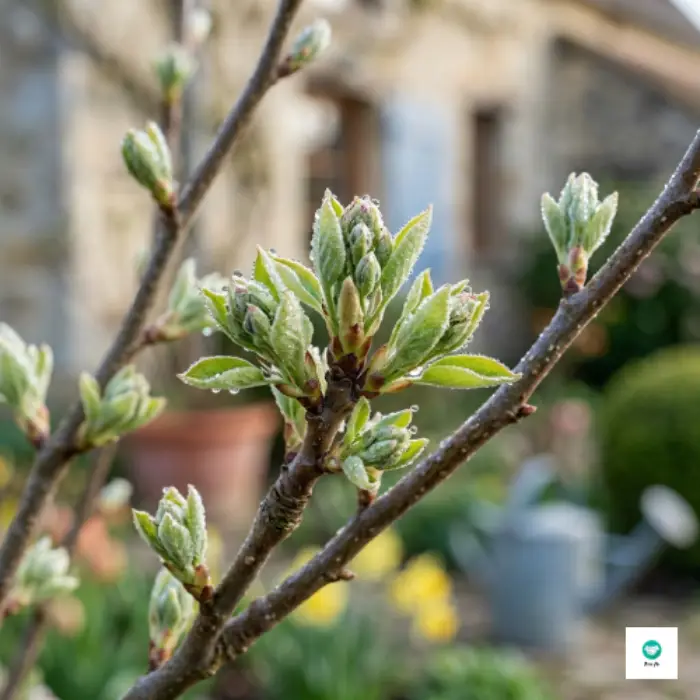
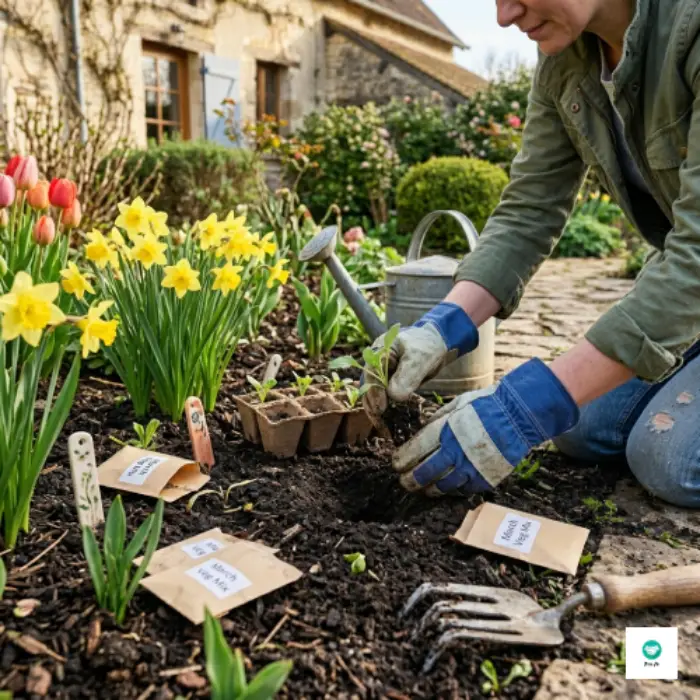
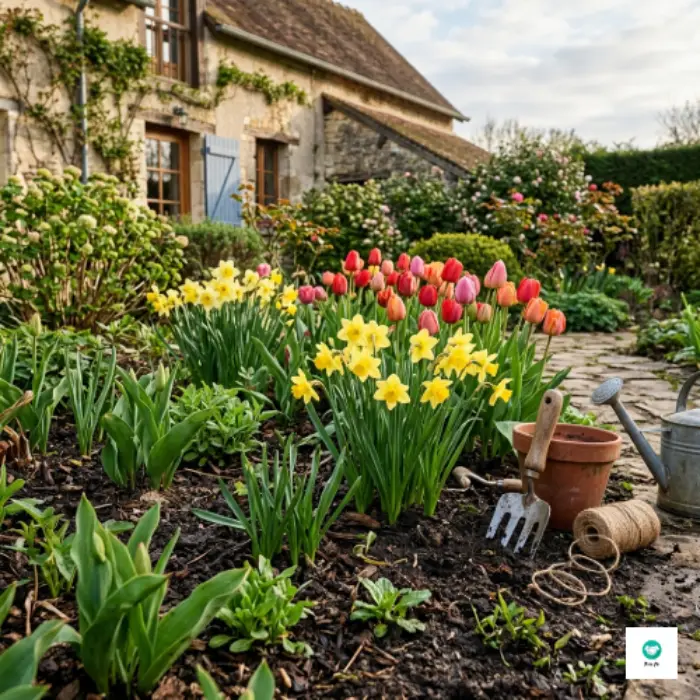
Spring begins, and gardens start to come alive.
Tasks:
- Plant early vegetables (lettuce, spinach, carrots)
- Fertilize soil with organic matter
- Remove weeds regularly
- Begin lawn care (aeration and first mowing if needed)
April – Planting Season in Full Swing
April is one of the busiest gardening months in France.
Tasks:
- Plant flowers and shrubs
- Sow herbs and vegetables outdoors
- Apply mulch to retain moisture
- Monitor pests and diseases
May – Garden Expansion and Maintenance
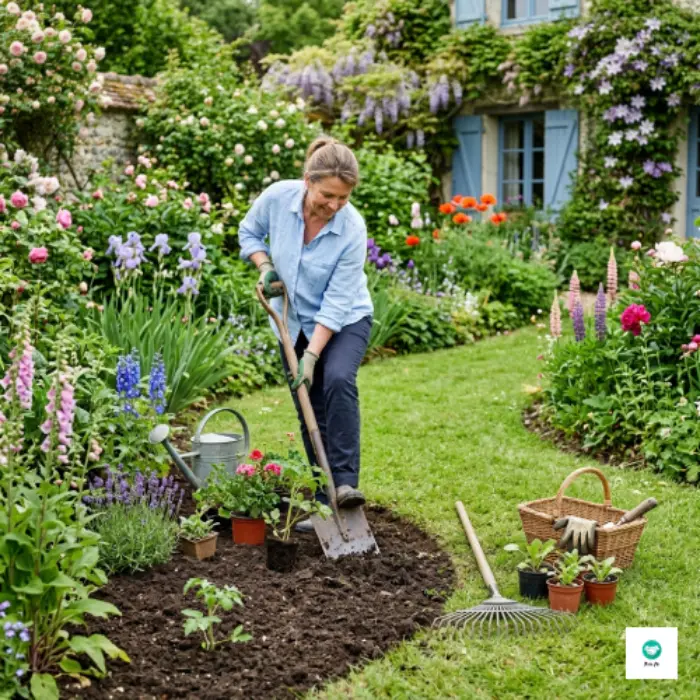
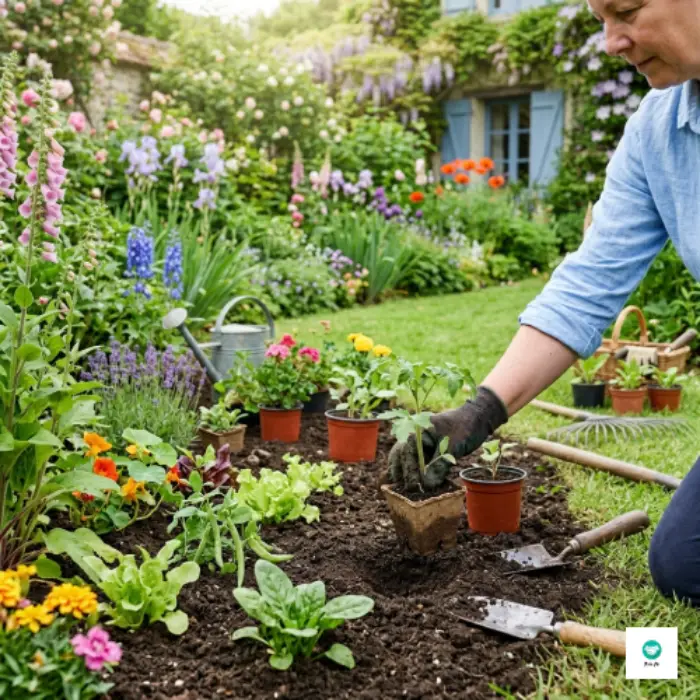
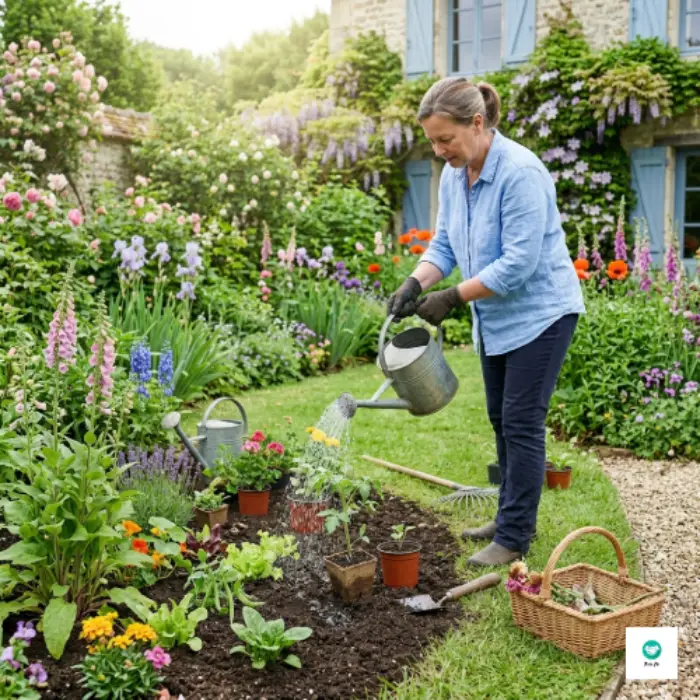
With warmer weather, your garden will grow rapidly.
Tasks:
- Plant summer crops (tomatoes, zucchini, beans)
- Water regularly
- Install supports for climbing plants
- Continue weeding and mulching
June – Summer Preparation
June is about maintaining growth and preparing for heat.
Tasks:
- Increase watering frequency
- Trim hedges and shrubs
- Harvest early crops
- Monitor for pests like aphids
July – Peak Summer Care
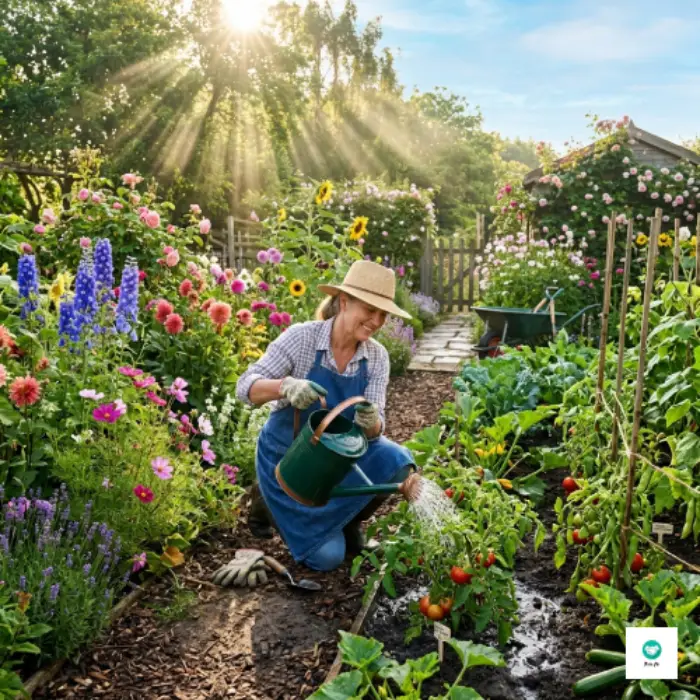
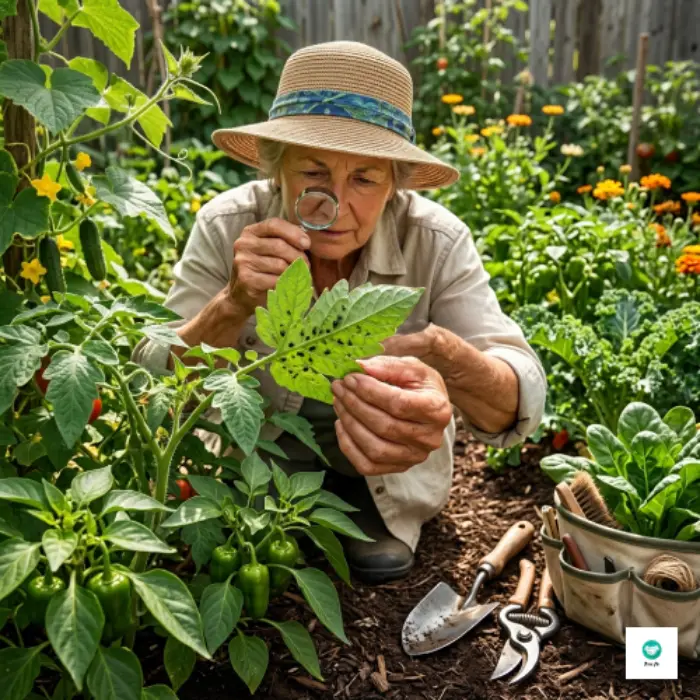
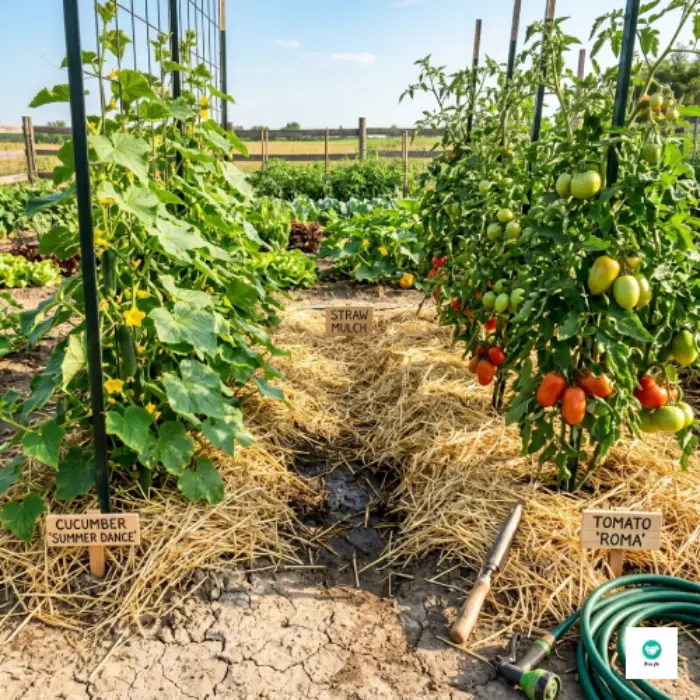
Hot temperatures require careful garden management.
Tasks:
- Water early morning or late evening
- Deadhead flowers to encourage blooming
- Harvest vegetables regularly
- Protect plants from heat stress
August – Sustaining the Garden
August can be dry and hot in many parts of France.
Tasks:
- Maintain irrigation systems
- Prune summer-flowering shrubs
- Collect seeds for next season
- Continue harvesting fruits and vegetables
September – Transition to Autumn
Temperatures begin to cool, making it ideal for planting again.
Tasks:
- Plant autumn vegetables (spinach, cabbage)
- Divide perennials
- Fertilize soil
- Start lawn repair if needed
October – Preparing for Winter
October is about protection and cleanup.
Tasks:
- Rake leaves and compost them
- Plant bulbs (tulips, daffodils)
- Cut back perennials
- Protect sensitive plants
November – Winter Readiness
Cold weather returns, and garden activity slows.
Tasks:
- Mulch soil to retain warmth
- Protect outdoor taps and irrigation systems
- Store garden equipment
- Plant bare-root trees and shrubs
December – Rest and Maintenance
December is a quiet month for gardening.
Tasks:
- Inspect garden structures
- Plan improvements for next year
- Clean greenhouse areas
- Review your gardening tools and supplies
Tips for Gardening Success in France
To get the most out of your gardening calendar, keep these expert tips in mind:
- Adapt tasks based on your region (north vs south France)
- Use organic fertilizers and eco-friendly practices
- Install efficient irrigation systems
- Hire professional gardening services for large properties
Professional Gardening Services in France
Maintaining a garden can be time-consuming, especially for busy homeowners or businesses. Professional gardening services in France can help with:
- Regular maintenance
- Lawn care and landscaping
- Seasonal planting and pruning
- Pest control and soil management
If you are looking for reliable gardening maintenance in France, visit https://www.mainpro.fr/ for expert services tailored to your needs.
Conclusion
A well-planned gardening maintenance calendar is essential for keeping your garden healthy and attractive throughout the year in France. By following seasonal tasks and staying consistent, you can enjoy a thriving outdoor space no matter the weather.
For hassle-free gardening maintenance, consider working with professionals like MainPro France to keep your garden in top condition all year round.
Frequently Asked Questions (FAQ)
1. When is the best time to start gardening in France?
The best time to start gardening in France is early spring (March to April), depending on your region and climate.
2. How often should I water my garden in summer?
During summer, watering should be done 2–3 times per week, preferably early morning or late evening to reduce evaporation.
3. What plants grow well in France?
Common plants include lavender, roses, tomatoes, herbs, and various seasonal vegetables depending on the region.
4. Do I need professional gardening services?
While not necessary, professional services can save time and ensure high-quality maintenance, especially for large gardens.